

For many Australian tradies, a steady flow of work comes from word of mouth, repeat customers and referrals from other trades. These are valuable sources of business, but relying on them alone can make it difficult to predict next month's workload. When referrals slow down or a larger project finishes, finding the next customer becomes a priority. A well planned website can help fill that gap. It gives potential customers a place to learn about your services, see examples of your work, understand your service area and request a quote without needing to call first. At Offernation, the focus is on building websites that help tradies attract suitable clients through Google and turn website visits into genuine enquiries. Effective Website Design For Tradies is not simply about choosing attractive colours or adding a few photos. It is about creating a useful online presence that supports how a trade business wins work and grows over time. Why Tradies Need More Than a Good Looking Website Imagine a homeowner searching online for an electrician to upgrade a switchboard. They open two websites. The first has a generic homepage, an unclear list of services and no obvious contact details. The second explains its electrical services, shows completed projects, identifies the areas covered and offers a straightforward way to request a quote. Even if both electricians deliver excellent work, the second website gives the customer more reasons to make contact. This is where website structure and user experience make a real difference. Your website should answer the questions customers usually ask before hiring a tradie: Do you provide the service I need? Do you work in my suburb or region? Can I trust your workmanship? How can I arrange an inspection or request a quote? What information should I provide to get an accurate estimate? When visitors can find these answers quickly, they have fewer reasons to leave and look elsewhere. A professional website also helps you present your business consistently. Whether someone discovers you through Google, a referral or a social media post, they can find the same service information and contact details in one place. What Effective Website Design For Tradies Should Include A trade website should be built around the decisions customers make before contacting a business. The following elements help create a practical experience for both visitors and search engines. Clear Service Pages Listing every service in a single paragraph makes it difficult for customers and search engines to understand the full scope of your work. A plumber, for example, might offer blocked drain repairs, hot water system installations, leak detection and bathroom plumbing. Each service addresses a different customer need and may attract people searching with different terms. Creating dedicated pages for important services allows you to explain the work involved, common problems, your process and how customers can arrange an appointment. These pages also create more opportunities to appear in relevant search results. The key is to provide genuinely useful information on each page rather than creating multiple pages with nearly identical wording. Mobile Friendly Design Many customers search for trades while dealing with an immediate problem. A leaking tap, faulty power point or damaged roof often sends someone straight to their phone. If your website takes too long to load, displays poorly on a small screen or hides the phone number, that potential customer may contact a competitor instead. A mobile friendly website should have readable text, simple navigation, appropriately sized buttons and forms that are easy to complete. Important contact options should be visible without forcing visitors to search through several menus. For tradies, mobile usability is not just a design preference. It can directly affect how easily a potential customer gets in touch. Strong Calls to Action Visitors need a clear next step. Depending on your trade and the jobs you accept, that might be calling your business, requesting a quote, booking an inspection or submitting a project enquiry. Use specific calls to action such as “Request a Quote” or “Discuss Your Project” rather than relying on vague wording. Keep enquiry forms practical. Ask for details that help you assess the job, such as the service required, suburb, preferred contact method and a short description of the problem. Additional questions can be useful for larger projects, but too many fields may discourage people from submitting the form. Real Project Photos and Trust Signals Customers want evidence that a business can deliver the work they need. Genuine photos of completed jobs can provide that reassurance far more effectively than generic stock images. A carpenter could show custom cabinetry, deck construction and renovation details. A roofing contractor could feature a completed roof replacement and explain the materials used. An electrician might show a tidy switchboard installation or a completed lighting project. Where appropriate, include customer testimonials, relevant licences, insurance information, warranties and industry credentials. Only publish claims that are accurate and can be substantiated. These details help visitors understand your standards before they make contact. Website Design For Tradies Australia: Building for Local Search A trade business does not need to attract every person in the country. It needs to reach customers in the areas it can realistically service. That is why Website Design For Tradies Australia should take local search intent into account from the beginning. A website should explain where the business operates and connect each important service with the locations that matter to its customers. For example, a plumbing company operating across Brisbane might prioritise its main plumbing services and relevant Brisbane service areas. A contractor based on the Gold Coast might focus on residential renovations, outdoor projects or other services that match local demand. A useful local SEO strategy includes: Clear service descriptions that match what customers are searching for. Accurate business contact details and service area information. Dedicated location pages where each page offers distinct local value. A well maintained Google Business Profile, where eligible. Relevant internal links connecting service pages and location pages. Genuine reviews and project examples that demonstrate local experience. Avoid creating dozens of suburb pages that change only the place name. Such pages offer little value to readers and can weaken the overall quality of a website. Instead, explain the services available in each important area, the types of projects you handle and any relevant local considerations. This gives potential customers useful information while helping search engines understand your business. Local SEO can improve your chances of appearing in relevant searches, but rankings are never guaranteed. Results depend on factors such as competition, website quality, relevance and the strength of your wider online presence. Website Design For Tradies Gold Coast: Reaching the Right Local Customers For trade businesses serving the Gold Coast, a website should reflect the services offered and the customers the business wants to attract. Consider a fencing contractor who mainly wants residential installation projects rather than small repair jobs. A generic homepage might attract a mixture of enquiries without communicating the contractor's preferred work. A more focused website could feature a dedicated fencing installation page, photographs of completed projects, information about available fencing options and a quote form that asks about the property, project size and preferred timing. The same principle applies to other trades. A builder may want to attract renovation projects, while a pool specialist may want enquiries from homeowners planning a new installation. Website Design For Tradies Gold Coast should make these priorities clear. Relevant service pages, location information and project photography help visitors understand whether the business is a good fit before they enquire. This approach is particularly useful when a business wants to improve the quality of its leads rather than simply increase the number of phone calls. Website Design For Tradies Brisbane: Turning Search Visibility Into Enquiries Brisbane trade businesses face a similar challenge. Appearing in search results is valuable, but visibility alone does not guarantee new work. A customer who lands on your website should immediately understand what you do, which areas you serve and how to contact you. The page should then provide enough useful information to support the customer's decision. For instance, a Brisbane air conditioning contractor could explain installation, replacement and maintenance services on separate pages. The installation page might cover the assessment process, factors affecting system selection and the information needed to prepare a quote. A clear contact option would allow customers to request an assessment without navigating through unrelated content. A well structured Website Design For Tradies Brisbane strategy also considers the relationship between local search and website conversion. Service pages help attract relevant visitors, while clear messaging and convenient enquiry options encourage those visitors to take action. Track which pages generate phone calls, form submissions and suitable projects. These insights can help you decide where to improve content, navigation or calls to action. Why Custom Website Design For Tradies Can Be a Better Investment Template based websites can be a reasonable starting point for a new business with a limited budget. However, a generic layout may become restrictive as the business adds services, expands into new locations or targets larger projects. Custom Website Design For Tradies allows the website to reflect the actual business model rather than forcing every business into the same structure. A custom approach can help you: Prioritise your most profitable or strategically important services. Create page layouts suited to different types of projects. Develop enquiry forms that collect relevant job information. Present your work through organised project galleries. Build a logical internal linking structure for SEO. Make future updates easier as the business grows. Custom does not automatically mean better. A carefully configured template can perform well when it is fast, accessible, easy to use and properly structured. The important question is whether the website supports your business goals. Before investing, consider the quality of the existing website, the number of services you offer, the functionality you need and the level of ongoing support available. How to Measure Whether Your Tradie Website Is Working A website should be judged by more than its appearance or visitor numbers. The real question is whether it helps the business attract relevant opportunities. Start by measuring a few practical indicators: Qualified enquiries: How many enquiries relate to services you actually provide and locations you cover? Quote requests: How many visitors submit a form or call to discuss a project? Lead quality: Are enquiries coming from customers who understand your service and budget expectations? Organic search performance: Are important service pages gaining impressions and clicks from relevant Google searches? Conversion rate: What proportion of website visitors take a meaningful action? For example, if traffic increases but quote requests remain unchanged, the issue might be an unclear call to action, a difficult form or a mismatch between the search term and the service offered. If enquiries are plentiful but mostly outside your service area, the location messaging may need attention. Review these metrics regularly through tools such as Google Search Console and Google Analytics, configured appropriately for your website. Use the findings to make specific improvements rather than redesigning the entire website without evidence. Build a Website That Supports Your Next Stage of Growth Your website should do more than confirm that your business exists. It should help potential customers understand your services, build confidence in your workmanship and take the next step when they are ready to hire a tradie. Offernation focuses on SEO website design for tradies and service businesses across Australia, with an emphasis on attracting suitable clients and generating genuine enquiries. If your current website is outdated, difficult to use or failing to attract the jobs you want, a review can help identify what needs attention. You may not need to replace everything. Better service pages, clearer contact options, stronger local content or improved mobile performance could be enough to make a meaningful difference. Explore Offernation's website design services for tradies to learn how a website built around your services and target locations can support your business growth. Frequently Asked Questions Why is website design important for tradies? A professional website helps tradies explain their services, demonstrate their experience and make it easier for potential customers to request quotes. When combined with sound SEO practices, it can also help the business appear in relevant Google searches. How much does website design for tradies cost in Australia? The cost varies depending on the number of pages, design requirements, SEO work, functionality and ongoing support. A simple website may cost less than a custom website with multiple service pages, location targeting and advanced enquiry features. Request a detailed quote that explains what is included. Can website design for tradies help generate more leads? Yes. A well structured website can attract visitors through search engines and make it easier for them to contact your business. However, results depend on factors such as competition, search visibility, service relevance and the quality of the website experience. What should a tradie website include? Essential elements include clear service pages, contact information, mobile friendly navigation, quote request options, genuine project photos, trust signals and relevant service area information. Analytics and search performance tracking are also useful for measuring results. Is local SEO important for tradies in Brisbane and the Gold Coast? Yes. Local SEO helps search engines understand which services a business offers and where it operates. Relevant service and location pages, accurate business information and a well maintained Google Business Profile can support local visibility in Brisbane, the Gold Coast and other service areas. Should I choose a template or custom website design for my trade business? A template may suit a small business with straightforward needs. Custom design may be more suitable when you need a specific page structure, tailored enquiry forms, multiple service areas or a stronger focus on particular job types. Choose the option that fits your goals and budget rather than assuming the most expensive option is always best. How long does it take to see SEO results from a new tradie website? SEO results vary depending on competition, website history, technical quality, content and local search demand. Some improvements may be noticed relatively quickly, while building stronger organic visibility can take several months or longer. SEO should be treated as an ongoing process rather than a guaranteed short term result. How can I improve my existing tradie website without rebuilding it? Start by checking mobile performance, page loading speed, service descriptions, contact details, enquiry forms and search visibility. Review which pages attract visitors and whether those visitors become qualified leads. Improving the pages with the greatest potential can be more cost effective than replacing the entire website.
The body content of your post goes here. To edit this text, click on it and delete this default text and start typing your own or paste your own from a different source.

For a service business, having a website is no longer just about looking professional online. Your website often becomes the first place a potential customer goes after finding your business on Google, seeing your name in a local search, or receiving a recommendation from someone they trust. The problem is that many businesses invest in a website that looks good but does very little to generate actual enquiries. A plumber may have an attractive homepage but no dedicated plumbing service pages. A cleaner may list every service on one crowded page. A pest control company may have excellent reviews but make visitors work to find out how to request a quote. This is where properly planned service business websites make a difference. A successful website should help someone understand what you do, decide whether you are suitable for their needs, trust your business and take the next step without unnecessary friction. What Makes a Service Business Website Different? A service business does not sell a product that customers can simply add to a cart. The customer is usually buying expertise, reliability, convenience and an outcome. That changes how the website needs to work. Consider someone searching Google for a local electrician. They are not necessarily interested in reading a long company history. They want answers to practical questions: Do you provide the service I need? Do you work in my area? Can I trust you? How quickly can I contact you? Can I get a quote? Have you handled similar jobs before? A good website for service business needs to answer these questions naturally while also helping search engines understand the business. Offernation focuses on building websites around services, locations, search intent and enquiries rather than treating the website as an online brochure. Why a Good-Looking Website Is Not Always a Good Lead Generator One of the most common mistakes service businesses make is measuring a website by appearance alone. A modern design can create a strong first impression, but design cannot compensate for poor structure. Imagine a homeowner searches for "pest control Brisbane" and lands on a website with: A vague headline No dedicated pest control service information No indication of the service area Slow mobile loading Several competing buttons No obvious quote request option The website may look polished, but the visitor still has to figure out what to do. This is why effective website design for service business needs to combine visual presentation with usability, SEO and conversion strategy . The goal is not to impress every visitor. It is to make the right visitor feel confident enough to enquire. Build Pages Around What Customers Actually Search For One of the strongest SEO opportunities for service businesses is creating dedicated pages around individual services. For example, a plumbing company might offer: Blocked drains Hot water repairs Gas plumbing Leak detection Emergency plumbing Commercial plumbing Putting all of these services into one generic page makes it harder to create useful, specific content for each search. Instead, dedicated pages can explain the problem, the service, who it is suitable for, the areas served and what customers should do next. This approach also gives Google clearer information about the business. Offernation's approach to service business websites is built around organising websites according to the services offered and locations served, helping connect pages with relevant search intent. Local SEO Should Be Part of the Website Strategy For many Australian service businesses, the customer is not searching for a company anywhere in the country. They are looking for someone who can actually visit their property or serve their local area. A customer might search for: "electrician Gold Coast" "cleaner Brisbane" "pest control near me" "plumber in my area" This makes location strategy extremely important. Service Business Websites Australia should clearly communicate where the business operates instead of leaving visitors to guess. Location-specific pages can be useful when they provide genuine value. They can explain the services available in a particular area, common customer needs and how the business serves that community. The important point is quality. Creating dozens of nearly identical location pages simply by changing a suburb name is unlikely to provide the experience customers need. Mobile Experience Can Make or Break an Enquiry Think about when people typically need a service. Someone may discover an emergency plumber while standing in their kitchen with water leaking from a pipe. A homeowner may search for a cleaner while commuting. A business owner may look for a commercial pest control company from their phone. They are unlikely to patiently navigate a complicated website. That is why mobile-first website design for service businesses should make essential information immediately accessible. A strong mobile experience should make it easy to: Understand the service See the service area Call the business Request a quote Complete an enquiry form Find important information without excessive scrolling Offernation specifically positions mobile-friendly design, clear enquiry pathways and quote requests as core components of its website approach. Your Website Should Pre-Qualify Leads, Not Just Collect Them More enquiries are not automatically better. A service business can receive dozens of enquiries and still struggle if most are from people looking for the cheapest possible price, outside the service area or interested in work the company does not provide. A better website helps pre-qualify visitors. For example, a commercial builder could clearly state the types of projects it handles, locations served and typical project requirements. A specialist cleaner could explain whether it handles residential, commercial, end-of-lease or specialised cleaning. This gives potential customers enough information to decide whether the business is right for them. The result can be fewer irrelevant enquiries and more conversations with people who actually need the service. That distinction is central to effective service business websites . The objective is not simply traffic. It is relevant traffic that can turn into worthwhile business opportunities. Calls to Action Should Match Customer Intent A common website mistake is using the same generic call to action everywhere. "Contact Us" is not necessarily wrong, but a more specific action can be easier for the visitor to understand. Depending on the business, calls to action might include: Request a Quote Book an Inspection Get a Free Consultation Call Our Team Request a Service The call to action should also appear at logical points throughout the page. Someone who has just finished reading about a specific service should not have to return to the navigation menu to find out how to enquire. Offernation's website strategy places clear calls to action and enquiry pathways alongside SEO structure, helping visitors move from search to enquiry. What Should You Look for When Choosing Website Design for Service Business? Before choosing a web designer, ask questions that go beyond colours, fonts and layouts. Find out whether the website will include: SEO-friendly structure Can individual services and locations be properly targeted? Mobile-first design Will the website work smoothly for customers searching from smartphones? Conversion planning Where will visitors request quotes, call or book? Service-specific pages Can your important services have their own useful pages? Local SEO foundations Does the structure support the locations you actually serve? Ongoing improvements Who will monitor performance and identify opportunities after launch? Content that reflects your business Does the copy explain your actual services rather than using generic agency language? These details matter because a website is not finished simply because it has been published. Final Thoughts A website should do more than prove that your business exists. For a service business, it should help the right customer find you, understand what you offer, trust your business and take action. That is the real purpose behind effective service business websites . Whether you are building a new website or trying to improve an existing one, start with the customer journey rather than the homepage design. Ask what someone searches for, what information they need before contacting you and what could stop them from making an enquiry. When SEO, content, mobile usability, trust and conversion strategy work together, your website becomes much more than an online brochure. It becomes a practical sales and lead-generation tool for your business. Frequently Asked Questions What is a service business website? A service business website is designed specifically for companies that sell services rather than physical products. It explains the services offered, locations served, expertise and customer benefits while providing clear ways for visitors to enquire or book. Why does a service business need an SEO-friendly website? An SEO-friendly website can help a business appear when potential customers search for relevant services. A clear structure also makes it easier for search engines to understand individual services and locations. What should a website for service business include? At minimum, it should clearly explain the main services, service areas, business credentials, customer trust signals and contact options. Strong websites also include dedicated service pages, clear calls to action and mobile-friendly navigation. How can service business websites generate more enquiries? They can generate more enquiries by targeting relevant searches, explaining services clearly, building trust and making the next step simple. Quote forms, phone buttons and booking options should be easy to find. Is local SEO important for Australian service businesses? For businesses serving specific cities, suburbs or regions, local SEO can be particularly valuable. The website should clearly communicate where the company operates and create genuinely useful content around relevant services and locations. How important is mobile-friendly website design? It is extremely important because many service searches happen on smartphones. A visitor should be able to understand the service and contact the business without struggling with navigation, tiny text or difficult forms. Should every service have its own page? Not necessarily every minor variation, but important services often benefit from dedicated pages. This gives the business space to address specific customer needs and search intent rather than placing everything into one generic page. How can Offernation help with service business websites? Offernation builds SEO-focused websites for Australian service businesses, combining service-based website structure, mobile-friendly design and enquiry pathways. The company focuses on helping businesses attract relevant customers from Google and turn website visitors into enquiries.
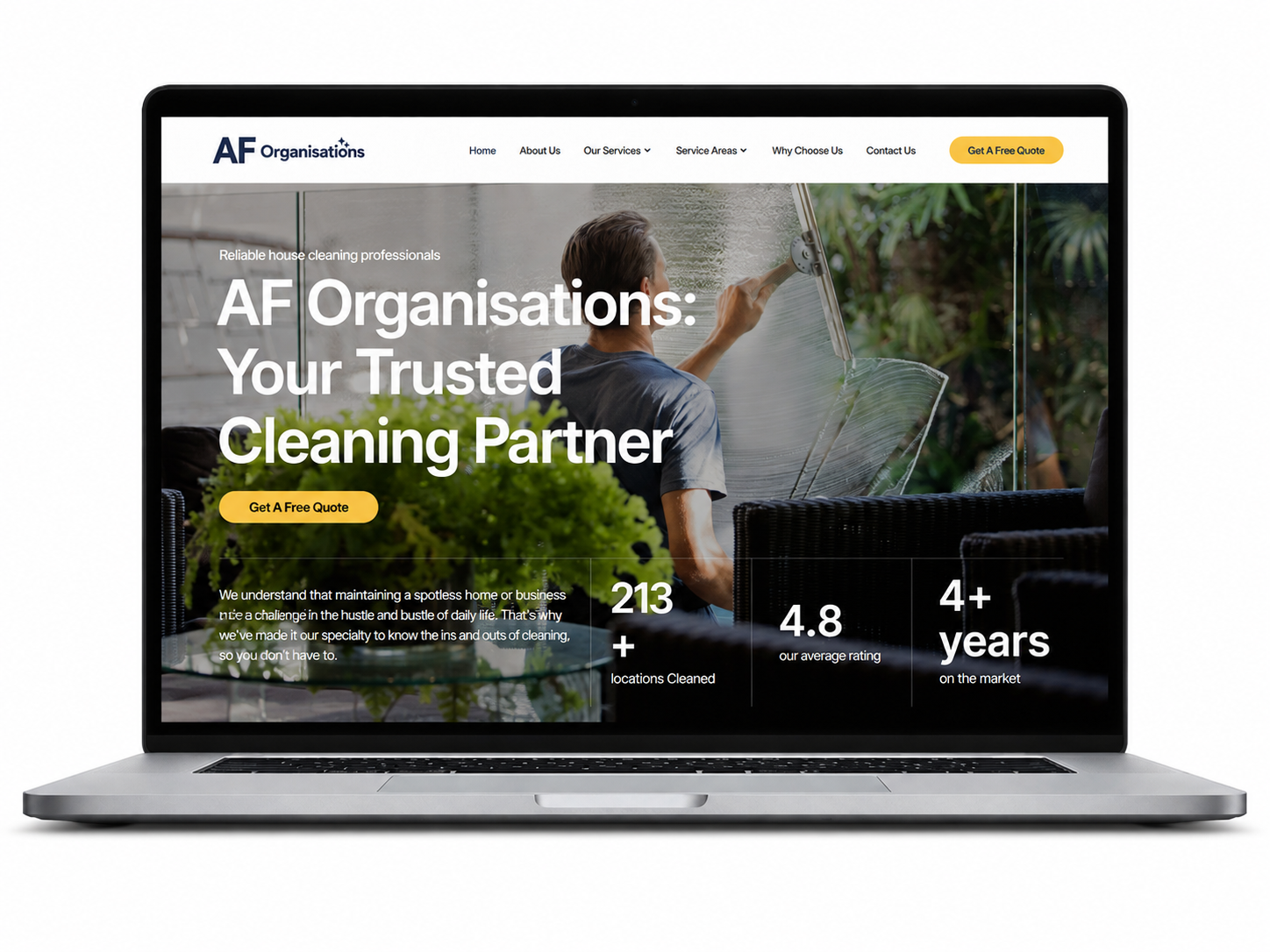
Discover how SEO Websites For Tradies Gold Coast can boost local visibility, attract customers, and turn your Tradie Website into more calls, quotes, and jobs.